URINARY TRACT INFECTIONS
What Are Urinary Tract Infections?
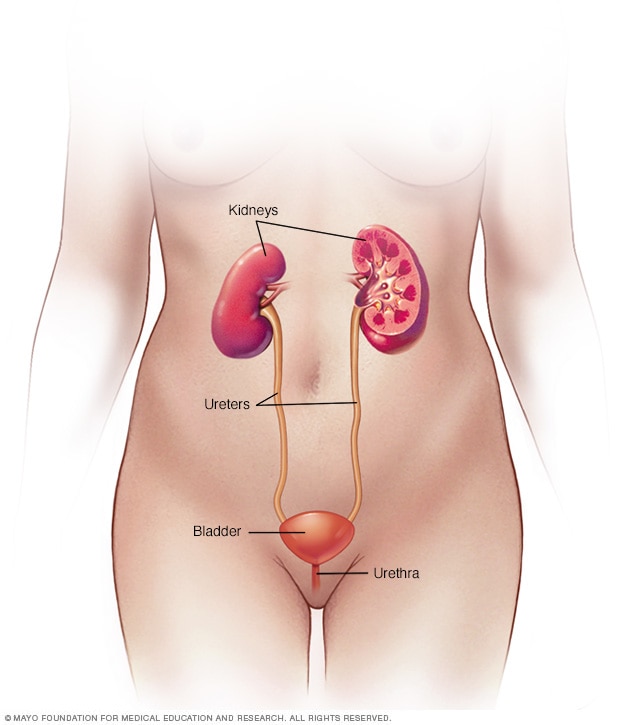
 A urinary tract infection is an infection in any part of your urinary system such as kidneys,ureters,
bladder and urethra. Most common infections involve the lower urinary tract which is the bladder and the urethra. The chances of women getting infected with this infection is high which means women are at a greater risk of developing a UTI than men.
Causes of UTI
Urinary tract infections typically occur when bacteria enter the urinary tract through the urethra and begin to multiply in the bladder. Although the urinary system is designed to keep out such microscopic invaders, these defenses sometimes fail. When that happens, bacteria may take hold and grow into a full-blown infection in the urinary tract.
The most common UTIs occur mainly in
women and affect the bladder and urethra.
Infection of the bladder (cystitis) : This type of UTI is usually caused by Escherichia coli (E. coli), a type of bacteria commonly found in the gastrointestinal (GI) tract. However, sometimes other bacteria are responsible.
Sexual intercourse may lead to cystitis, but you don’t have to be sexually active to develop it. All women are at risk of cystitis because of their anatomy specifically, the short distance from the urethra to the anus and the urethral opening to the bladder.
Infection of the urethra (urethritis) :This type of UTI can occur when GI bacteria spread from the anus to the urethra. Also, because the female urethra is close to the vagina, sexually transmitted infections, such as herpes, gonorrhea, chlamydia and mycoplasma, can cause urethritis.
SYMPTOMS OF UTIS
To identify a UTI, keep an eyeout for the following symptoms:
- A burning feeling when you urinate.
- A frequent or intense urge to urinate, even though little comes out when you do.
- Pain or pressure in your back or lower abdomen.
- Cloudy, dark, bloody, or strange-smelling urine.
- Feeling tired or shaky.
- Fever or chills (a sign the infection may have reached your kidneys )
What To Do When You Suspect UTI
If you suspect you have a urinary tract infection, head to the doctor. You’ll be asked to give a urine sample, which will be tested for the presence of UTI-causing bacteria.
The treatment? Antibiotics to kill the intruders. As always, be sure to finish off the prescribed cycle of medicine completely, even after you start to feel better. And drink lots of water to help flush the bacteria from your system. Your doctor may prescribe a medication to soothe the pain, and a heating pad may also be helpful.
PREVENTION
You can take these steps to reduce your risk of urinary tract infections:
- Drink plenty of liquids, especially water : Drinking water helps dilute your urine and ensures that you’ll urinate more frequently — allowing bacteria to be flushed from your urinary tract before an infection can begin.
- Drink cranberry juice : Although studies are not conclusive that cranberry juice prevents UTIs, it is likely not harmful.
- Wipe from front to back : After making use of the bathroom, always wipe from front to back. Doing so after urinating and after a bowel movement helps prevent bacteria in the anal region from spreading to the vagina and urethra.
- Empty your bladder soon after intercourse : Also, drink a full glass of water to help flush bacteria.
- Avoid potentially irritating feminine products : Using deodorant sprays or other feminine products, such as douches and powders, in the genital area can irritate the urethra.
- Change your birth control method : Diaphragms, or unlubricated or spermicide-treated condoms, can all contribute to bacterial growth.

 The Health Counsellor
Awesome
LikeLike