LOW SPERM COUNT
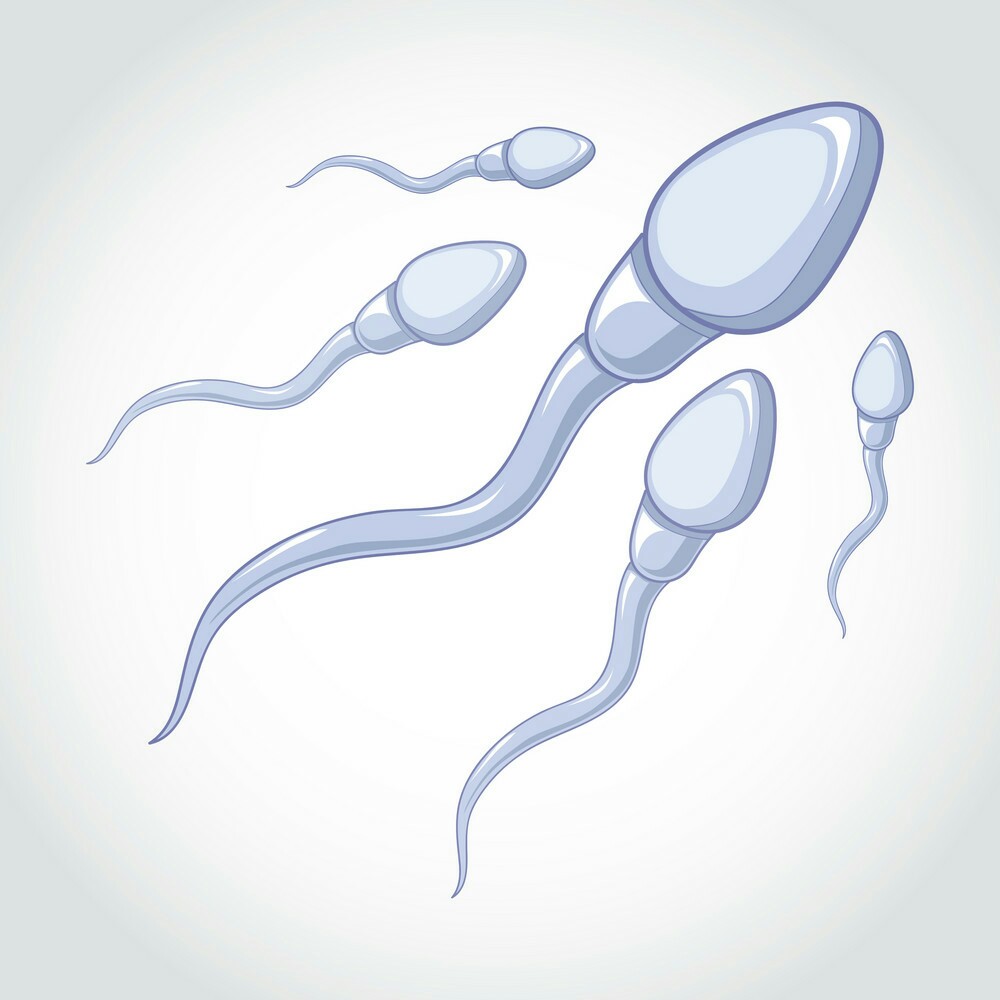
Low sperm count is a condition called oligospermia. This is the term used to describe a sperm count less than 15 million sperm per ml. If there are no sperm at all in the semen sample, the condition is termed azoospermia. When you are trying to have children, the number of sperm ejaculated is quite important. In other words, Low sperm count means that the fluid (semen) you ejaculate during an orgasm contains fewer sperm than normal.
SYMPTOMS
Signs that may lead you to suspect a low sperm count are not very obvious and because of this, difficulty conceiving is the first thing that suggests a likely problem with sperm quality or quantity. However, some men experience problems with sex drive, sexual function, or their ability to maintain an erection ( erectile dysfunction ).
When it comes to hormonal regulation, the pituitary gland in the brain is involved and if it gets damaged, whether by injury or a medical issue, you may experience symptoms of tiredness and lack of interest. These symptoms may lead your doctor to measure levels of testosterone and other hormones that naturally decrease with age and lead to sexual symptoms of decreased libido, and possibly, a decreased sperm count.
WHEN TO SEE A DOCTOR
See a doctor if you have been unable to conceive a child after a year of regular, unprotected intercourse or sooner if you have any of the following:
- Erection or ejaculation problems, low sex drive, or other problems with sexual function.
- Pain, discomfort, a lump or swelling in the testicle area.
- A history of testicle, prostate or sexual problems.
- A groin, testicle, penis or scrotum surgery.
CAUSES
Sperm production is a complex process that requires the work of several organs in the body that can be impacted by lifestyle choices, medical issues and.environmental factors. Some medical conditions that may put you at risk of developing low sperm count include:
- Varicocele – One of the most common causes of male infertility is varicocele. Levels of testosterone, the primary male sex hormone, tend to be lower in men who have a varicocele. Not only can lower testosterone negatively affect libido and the ability to maintain an erection, but it can also impact normal sperm production.
- Infections – especially those that affect sperm production or vitality such as inflammation caused.by epididymitis or orchitis. STDs can also put you at risk of developing a low sperm count if not well treated..
- Autoimmune Disease – Sometimes the body’s immune system attacks the body. It may wrongly identify the sperm as a foreign body and target it for removal.
- Celiac Disease – If you have a sensitivity to gluten, and have been diagnosed with celiac disease, it is possible that this condition may increase the risks of developing a low sperm count, though this is not always the case
- Cancer – Tumors affecting the testicles or other parts of the male reproductive system can have a direct impact. The treatment of these cancers with chemotherapy and radiation can also lead to blockages, scarring and a reduction in sperm count
- Prior surgeries –Procedures such as hernia surgery, prostate resection and surgical removal of cancers affecting the testicles, rectum, and prostate may all increase the risk of developing a low sperm count.
Lifestyle and Environmental factors that may increase your risk of developing a low sperm count include:
- Drug and alcohol abuse
- Smoking
- Exposure to environmental toxins
- Obesity and Weight gain
- Trauma to the testicles
PREVENTION
To protect your fertility, avoid known factors that can affect sperm count and quality. For example:
- Don’t smoke.
- Limit or abstain from alcohol.
- Steer clear of illicit drugs.
- Talk to your doctor about medications that can affect sperm count.
- Maintain a healthy weight.
- Avoid heat.
- Manage stress.
Avoid exposure to pesticides, heavy metals and other toxins.

 The Health Counsellor
informative
LikeLike