COMMON COLD AND FLU
what is the flu?
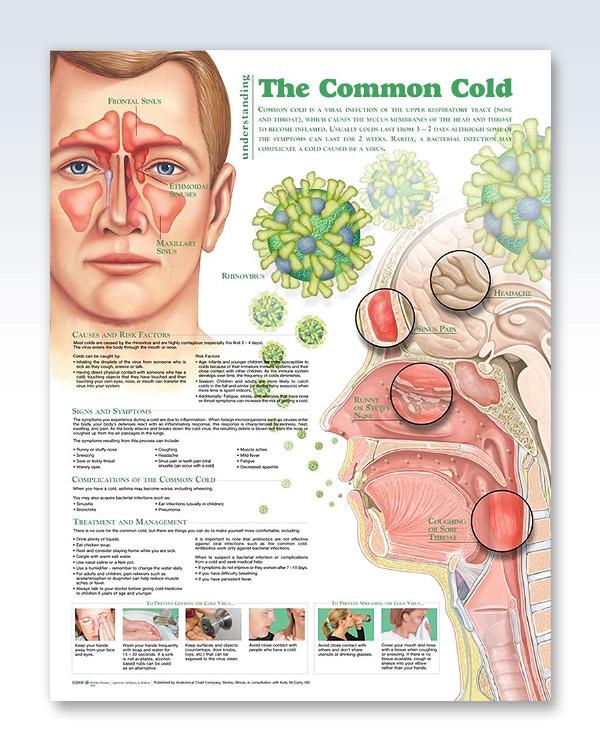
A cold and the flu are viral infections which both affect your respiratory system. This includes your throat, nose, airway and lungs. It is difficult to tell the two apart. The flu is generally worse than a cold. It is common to get a cold more than once a year. Most people get the flu only a few times every 10 years.
Symptoms of a cold or the flu
A cold and the flu have similar symptoms. However, they are two different conditions.
Cold symptoms include:
- Fever up to 102°
- Runny or stuffy nose
- Green or yellow nasal discharge
- Sore throat
- Cough
- Sneezing
- Feeling tired
- Muscle aches
- Headache
- Watery eyes
Flu symptoms include:
- Fever over 102°
- Stuffy nose
- Nausea
- Chills and sweats
- Feeling tired
- Muscle aches, especially in back, legs, and arms
- Cough
- Headache
- Poor appetite
When to see a doctor
For adults — seek medical attention if you have:
- Fever greater than 101.3 F (38.5 C)
- Fever lasting five days or more or returning after a fever-free period
- Shortness of breath
- Wheezing
- Severe sore throat, headache or sinus pain
For children — in general, your child doesn’t need to see the doctor for a common cold. But seek medical attention right away if your child has any of the following:
- Fever of 100.4 F (38 C) in newborns up to 12 weeks
- Rising fever or fever lasting more than two days in a child of any age
- Symptoms that worsen or fail to improve
- Severe symptoms, such as headache or cough
- Wheezing
- Ear pain
- Extreme fussiness
- Unusual drowsiness
- Lack of appetite
Causes
Although many types of viruses can cause a common cold, rhinoviruses are the most common culprit.
A cold virus enters your body through your mouth, eyes or nose. The virus can spread through droplets in the air when someone who is sick coughs, sneezes or talks.
It also spreads by hand-to-hand contact with someone who has a cold or by sharing contaminated objects, such as utensils, towels, toys or telephones. If you touch your eyes, nose or mouth after such contact or exposure, you’re likely to catch a cold
Risk factors
These factors can increase your chances of getting a cold:
- Age. Children younger than 6 are at greatest risk of colds, especially if they spend time in child-care settings.
- Weakened immune system. Having a chronic illness or otherwise weakened immune system increases your risk.
- Time of year. Both children and adults are more susceptible to colds in fall and winter, but you can get a cold anytime.
- Smoking. You’re more likely to catch a cold and to have more-severe colds if you’re exposed to cigarette smoke.
- Exposure. If you’re around many people, such as at school or on an airplane, you’re likely to be exposed to viruses that cause colds.
Prevention
There’s no vaccine for the common cold, but you can take commonsense precautions to slow the spread of cold viruses:
- Wash your hands. Clean your hands thoroughly and often with soap and water, and teach your children the importance of hand-washing. If soap and water aren’t available, use an alcohol-based hand sanitizer.
- Disinfect your stuff. Clean kitchen and bathroom countertops with disinfectant, especially when someone in your family has a cold. Wash children’s toys periodically.
-
Use tissues. Sneeze and cough into tissues. Discard used tissues right away, then wash your hands carefully.Teach children to sneeze or cough into the bend of their elbow when they don’t have a tissue. That way they cover their mouths without using their hands.
- Don’t share. Don’t share drinking glasses or utensils with other family members. Use your own glass or disposable cups when you or someone else is sick. Label the cup or glass with the name of the person with the cold.
- Steer clear of colds. Avoid close contact with anyone who has a cold.
- Choose your child care center wisely. Look for a child care setting with good hygiene practices and clear policies about keeping sick children at home.
- Take care of yourself. Eating well, getting exercise and enough sleep, and managing stress might help you keep colds at bay.

 The Health Counsellor